
TL;DR:
- Effective market alerts are actionable, timely, customizable, and prevent alert fatigue.
- Types include price, technical indicator, news, event, and portfolio alerts tailored to trading strategies.
- Platforms like Handy.Markets simplify setting up personalized, multi-asset notifications through various channels.
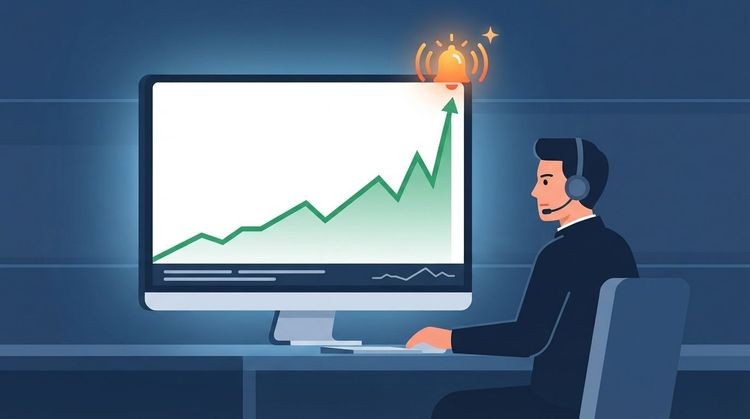
Choosing the right market alert in a sea of platforms, asset classes, and notification styles is harder than it sounds. Markets pulse with opportunities and risks across cryptocurrencies, stocks, and commodities every second, and missing a key move can be costly. The good news is that a well-chosen alert system acts like a trusted co-pilot, watching the markets while you focus elsewhere. In this article, we break down the core criteria for great alerts, walk through common alert types with real examples, spotlight leading platforms, and help you match the right setup to your trading style.
Table of Contents
- What makes a great financial market alert?
- Examples of common market alert types
- Platform spotlight: Leading alert apps and systems
- Comparing and prioritizing alerts: What fits your strategy?
- Why the right alerts are more art than science
- Level up with easy market alerts at Handy.Markets
- Frequently asked questions
Key Takeaways
| Point | Details |
|---|---|
| Tailor alerts to strategy | Effective market alerts are customized for your assets, style, and goals. |
| Start simple, iterate | Begin with basic, high-impact alerts, then refine as you gain experience. |
| Avoid alert fatigue | Stay focused by cleaning up unused signals and prioritizing high-value triggers. |
| Platform feature matters | Compare alert coverage, asset types, and delivery options before committing. |
What makes a great financial market alert?
Not all alerts are created equal. A notification that fires three seconds too late, or one that goes off every five minutes for minor price ticks, is worse than no alert at all. So before we look at specific tools, let’s define what separates a great alert from digital noise.
The most important quality is actionability. An alert should tell you something that directly informs a decision: buy, sell, hold, or investigate further. If you read an alert and shrug, it’s not doing its job. Tied closely to this is timing. Real-time delivery matters, especially for day traders and momentum players where seconds can separate profit from loss.
Customizability is the second pillar. The best financial market alert types let you dial in precise conditions. You should be able to set a specific price threshold for a specific asset, or combine a technical condition with a time-of-day filter. Generic alerts that broadcast to everyone the same thing don’t help you trade better.
Delivery method also plays a bigger role than most traders expect. Options typically include:
- Mobile push notifications: Fastest and most immediate, ideal for active traders
- SMS: Reliable even with poor internet connectivity
- Email: Good for end-of-day reviews or less urgent signals
- In-app pop-ups: Useful when you’re actively monitoring a dashboard
- Webhooks, Slack, Discord, Telegram: Growing in popularity for teams or automated workflows
One often-overlooked factor is avoiding alert fatigue. When every minor price movement triggers a ping, traders start ignoring all alerts, including the important ones. Best practices for fintech alerts show that segmentation, lifecycle triggers, and personalized signals can drive up to 14x higher engagement compared to generic blasts. That stat alone should change how you think about setup.
The real-time alerts guide at Handy.Markets offers practical steps for getting started without overcomplicating your workflow.
Pro Tip: Start with just two or three highly targeted alerts. Once you see how they perform over a few weeks, add complexity gradually. More is not better when it comes to alerts.
Examples of common market alert types
With criteria set, these are the most common and impactful alert types you’ll encounter across platforms and asset classes.

Price-based alerts are the most fundamental. You set a target price, and the platform notifies you when an asset crosses it. Example: “Alert me when Bitcoin drops below $55,000” or “Notify me when Apple stock crosses $200.” Simple, fast, and widely supported.
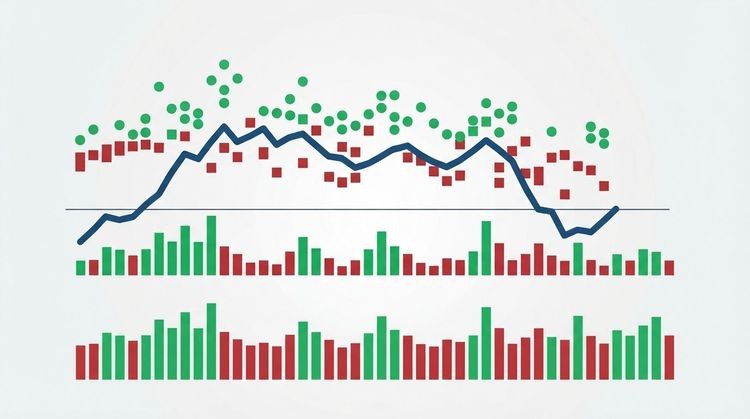
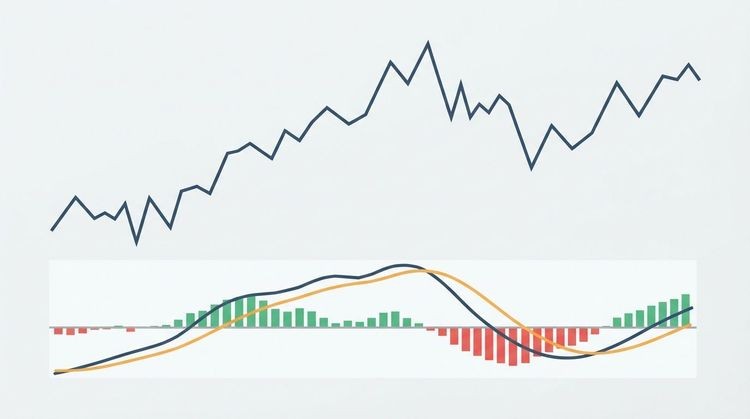
Technical indicator alerts take things further. These fire based on calculated signals rather than raw price. Common examples include:
- RSI (Relative Strength Index) crossing above 70, signaling overbought conditions
- EMA (Exponential Moving Average) crossovers, often used to spot trend changes
- MACD signal line crossings for momentum shifts
- Bollinger Band breakouts for volatility squeezes
Thinkorswim supports price, technical indicator, and news alerts with multiple notification types, making it a strong choice for active stock and futures traders who want granular control.
News and event alerts notify you when something fundamentally important happens: earnings announcements, central bank decisions, regulatory news, or major geopolitical events. These are especially critical for swing traders who hold positions overnight.
Portfolio and watchlist alerts track your overall exposure. If your combined position changes by more than 5% in an hour, that’s worth knowing. Sudden volatility spikes on watchlisted assets also fall into this category.
Investing.com app provides customizable alerts for price changes, events, news, and more across stocks, crypto, and commodities in one mobile-friendly interface.
For traders who rely on stock market indicators to guide decisions, technical alerts are particularly valuable since they translate complex chart signals into immediate action cues.
Too many generic alerts cause fatigue fast. Prioritize only the signals that align directly with your active positions and current trading strategy.
Pro Tip: Choose platforms that let you trigger alerts on the specific assets and events most relevant to your strategy. A news alert for an asset you don’t hold is just noise.
Platform spotlight: Leading alert apps and systems
With alert types in mind, let’s look at the top platforms and how they compare across asset coverage, features, and ease of use.
Thinkorswim (now under Charles Schwab following the TD Ameritrade acquisition) remains one of the most powerful desktop and mobile alert systems for active traders. It supports highly configurable alerting with complex conditional logic, scanning tools, and real-time technical triggers. It shines for U.S. stocks, options, and futures but has limited crypto coverage.
Investing.com offers broad multi-asset support with a mobile-first design. It covers real-time news, events, and prices across stocks, forex, commodities, indices, and crypto. It’s accessible for beginners but can feel cluttered for power users.
Here’s a quick comparison of popular options:
| Platform | Alert types | Asset coverage | Notification channels | Ease of use |
|---|---|---|---|---|
| Thinkorswim | Price, indicator, news | Stocks, options, futures | SMS, email, pop-up | Moderate |
| Investing.com | Price, news, events | Stocks, crypto, forex, commodities | Push, email | Easy |
| Handy.Markets | Price, threshold | Crypto, stocks, ETFs, commodities | Telegram, Discord, Slack, SMS, Email, Webhook | Very easy |
| Custom automation | Conditional logic | Varies | Webhook, email | Advanced |
Learning how to set up price alerts correctly from the start saves a lot of rework later. Equally important is understanding live price strategies so your alerts complement your broader market monitoring habit.
Pro Tip: For crypto or commodity traders, always verify asset support before committing to a platform. A tool that excels in stock alerts may have only five or ten crypto assets available, which won’t serve a diversified portfolio.
Comparing and prioritizing alerts: What fits your strategy?
After considering platform strengths, the next step is matching alerts to your specific goals. Your trading style is the most important filter here.
Momentum traders move fast and need real-time price and indicator alerts delivered via push or SMS. Delayed signals are nearly worthless. Swing traders benefit most from event and news alerts combined with daily technical summaries, since they’re working on timeframes of days to weeks. Long-term investors often only need weekly portfolio alerts and major news notifications rather than intraday price pings.
Here’s a strategy-based breakdown:
| Trading style | Best alert types | Recommended channel | Key pitfall |
|---|---|---|---|
| Momentum | Price, EMA crossover | SMS, push | Signal lag |
| Swing trading | News, event, RSI | Email, push | Too many triggers |
| Mean reversion | Bollinger Band, RSI | Push, webhook | False positives |
| Long-term investing | Portfolio, major news | Alert overload |
To build a reliable alert system without burning out, follow these steps:
- Define your strategy first. Know whether you’re momentum trading, swing trading, or investing long term before touching any settings.
- Pick two to four core signals. Align these with your most-held assets and the conditions that actually drive your decisions.
- Set thresholds that matter. A 0.1% price move probably isn’t worth an alert. A 3% move during after-hours trading might be.
- Test in a paper trading environment. Edge case testing helps expose false positives, alert fatigue, and volatility-related noise before real money is on the line.
- Iterate monthly. Markets change. Your positions change. Your alerts should too.
It’s worth remembering that threshold-based alerts are fast but can miss nuanced anomalies. For advanced use cases, pairing threshold alerts with conditional logic or a secondary confirmation layer significantly improves signal quality.
Segmented, personalized alerts outperform generic ones by up to 14x in engagement, which is a compelling reason to invest time in advanced trading strategies and match your alert setup accordingly.
Why the right alerts are more art than science
Here’s what most alert guides won’t tell you: the technically optimal setup rarely matches what actually works for an individual trader in practice. We’ve seen traders with fifty active alerts who miss the ones that matter and traders with just three alerts who catch every meaningful move. The difference isn’t technology. It’s curation.
Simple price alerts suit beginners well, while advanced conditional logic is best reserved for experienced traders who understand the trade-offs. But even experts often return to simpler setups over time, because complexity adds friction and friction breeds inaction.
The best alert system you can build is the one you’ll actually check and act on. Start with noise, and gradually cut down to high-signal triggers that feel personalized to your portfolio. That process takes time and real market experience, not just configuration skills.
We recommend setting a monthly calendar reminder specifically to audit your alerts. Remove any that fired but didn’t drive action. Add conditions that reflect your current focus. Think of it like pruning a garden: regular maintenance keeps the signal clean. Crypto alert alternatives can also open up options you may not have considered when you first set up your system.
Level up with easy market alerts at Handy.Markets
Ready to put these principles into practice? Handy.Markets makes it genuinely easy to get started with real-time alerts across major asset classes.
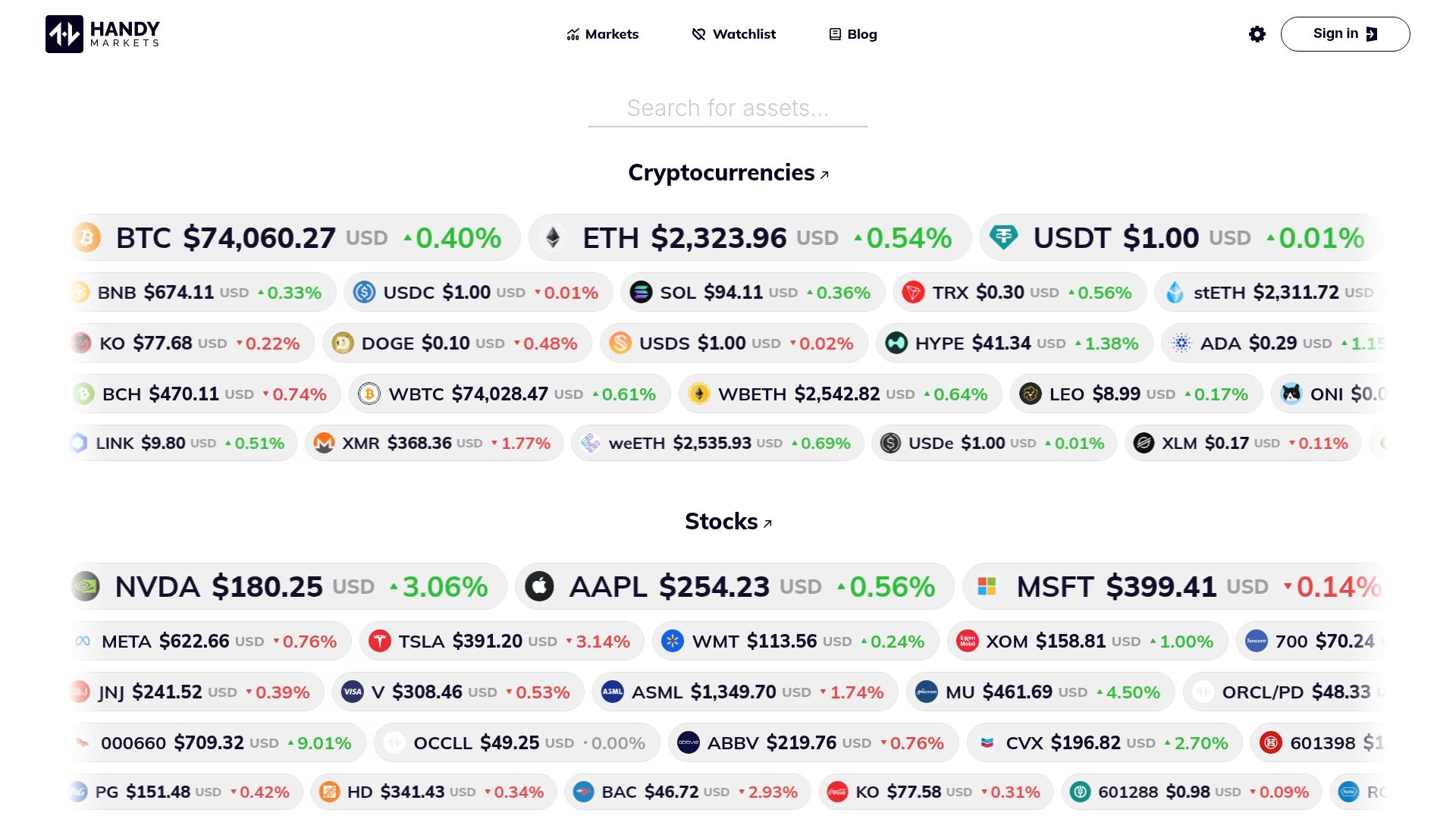
With Handy.Markets, you can set up price alerts for free in minutes, no coding or complex configuration required. Monitor crypto price alerts alongside stock price alerts in one streamlined dashboard. Choose your assets, set your thresholds, and receive instant notifications through Telegram, Discord, Slack, SMS, Webhook, or Email. Whether you’re watching Bitcoin, gold futures, or tech equities, Handy.Markets keeps you informed so you can stay focused and trade with confidence.
FAQ
What are the main types of financial market alerts?
The main types include price-based, technical indicator, news/event, and portfolio/watchlist activity alerts across stocks, crypto, and commodities. Thinkorswim supports price, technical indicator, and news alerts across multiple notification formats.
How do I avoid alert fatigue as a trader?
Limit alerts to high-value conditions that directly match your active strategy, and do a monthly review to remove signals that never led to action. Alert fatigue builds quickly from unfiltered or excessive signals, so periodic cleanup is essential.
Which platforms support both crypto and stock alerts?
Investing.com and select brokerage platforms support alerts across multiple asset classes, but always verify individual coverage. Investing.com provides customizable alerts across stocks, commodities, currencies, and crypto in one app.
What notification channels are best for market alerts?
Mobile push and SMS are the fastest delivery methods, making them ideal for active traders who need immediate signals. Thinkorswim offers pop-up, email, and SMS options, while app-based platforms emphasize mobile push for speed.
Recommended
- Stock Market Indicators: Essential List For Smarter Trading | Handy.Markets
- How To Follow Live Market Prices: Real-Time Strategies | Handy.Markets
- Financial Markets: Track Crypto, Stocks, Forex, Indices, Commodities & ETFs Prices With Alerts | Handy.Markets
- Market Monitoring Guide: Real-Time Alerts For Traders | Handy.Markets