
TL;DR:
- Factor-based investing targets specific stock characteristics to generate excess returns above the market.
- A core-satellite structure with discipline and long-term patience effectively captures these premiums across cycles.
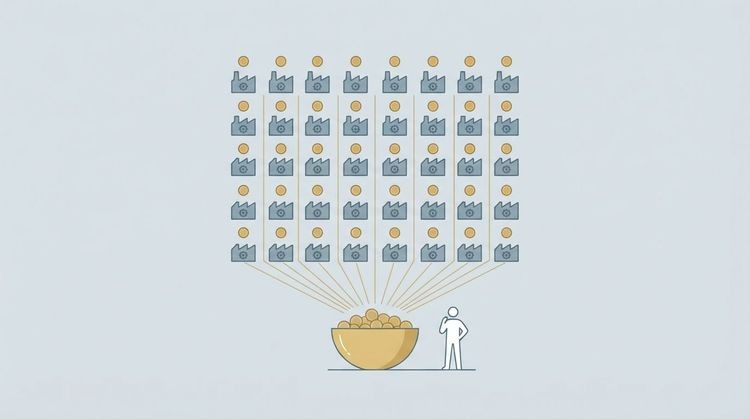
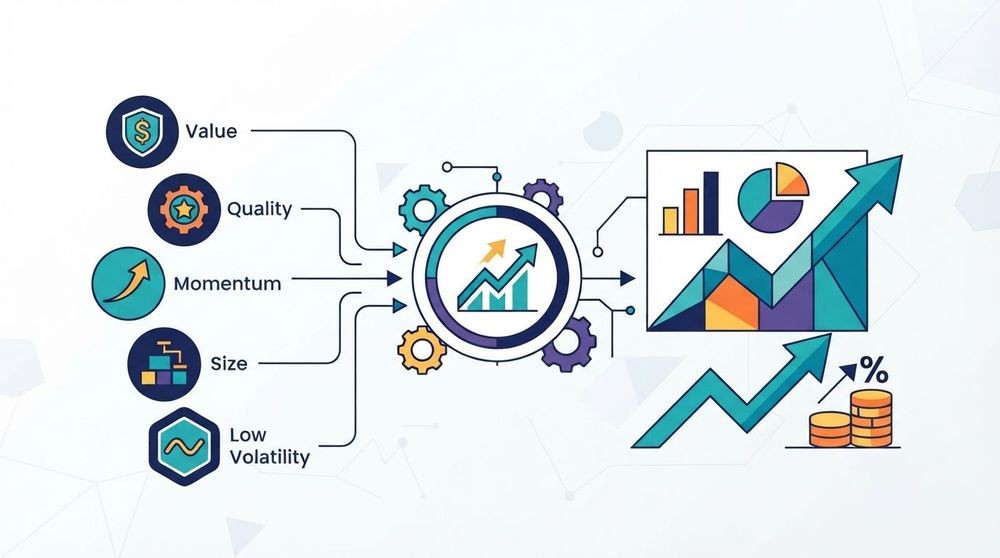
Factor-based investing is defined as a systematic approach that targets specific stock characteristics, called factors, to generate excess returns above a broad market benchmark. The most widely studied examples of factor-based investing strategies target value, momentum, quality, size, and low volatility. Academic backing from the Fama-French five-factor model gives these strategies credibility that passive indexing alone cannot match. A core-satellite framework, where a broad market core anchors the portfolio and factor-tilted satellites add targeted exposure, is the most practical starting point for investors and financial professionals alike. Discipline and a long investment horizon are non-negotiable prerequisites.
1. What are the main single-factor investing strategies?
Single-factor strategies isolate one return driver and build a portfolio around it. Each factor has a distinct behavioral or structural rationale, and understanding that rationale helps you hold through the inevitable rough patches.
The five most widely implemented single factors are:
- Value: Stocks trading below their intrinsic worth, measured by price-to-book or price-to-earnings ratios. Value has the longest academic track record but also the longest documented underperformance cycles.
- Momentum: Stocks with strong recent price performance over a 6 to 12 month window. Momentum ETFs like MTUM delivered 1.08% annualized excess return over a broad market benchmark across a 12.7-year period, though with higher volatility than the index.
- Quality: Companies with high profitability, low debt, and stable earnings. Quality screening also excludes low-quality small caps that often dilute generic small-cap funds, improving the overall factor loading.
- Size: Small-cap stocks that have historically outperformed large caps over long periods. The size premium is real but requires patience and tolerance for short-term drawdowns.
- Low volatility: Stocks with below-average price swings. Low-volatility ETFs reduce portfolio volatility by roughly 19%, but that protection comes with approximately 3.5 percentage points of annualized return drag.
Each single-factor approach carries specific risks. Value can underperform for a decade. Momentum reverses sharply during market stress. Low volatility lags badly in strong bull markets. Knowing these patterns before you commit capital is what separates disciplined investors from performance chasers.
Pro Tip: Before selecting a single-factor ETF, check its actual factor loading, not just its label. A fund marketed as “value” may hold significant growth exposure if its screening criteria are loose.
2. How do multi-factor investing strategies work?
Multi-factor strategies combine two or more factor tilts in one portfolio to reduce the volatility of any single factor’s underperformance cycle. The logic is straightforward: value and momentum are negatively correlated, so blending them smooths the return stream.

A practical implementation uses the Fama-French five-factor model as a blueprint. That model covers market, size, value, profitability, and investment factors. You can approximate it with four or five ETFs, with combined expense ratios near 0.12%, capturing diverse risk premiums with less management effort than a custom stock portfolio.
| Attribute | Single-factor strategy | Multi-factor strategy |
|---|---|---|
| Volatility | Higher, factor-specific | Lower, diversified across factors |
| Annual turnover | Moderate to high | Moderate, varies by blend |
| Implementation difficulty | Low | Medium to high |
| Tracking error | Higher | Typically 3–4% vs. benchmark |
| Expense ratio range | 0.04%–0.50% per ETF | ~0.12% blended average |
A typical multi-factor allocation places 50–70% of the equity sleeve in a broad market core and 20–30% in factor-tilted satellite ETFs. That structure targets roughly 1 to 2 percentage points of annual outperformance with 3 to 4% tracking error. It also requires a minimum 15-year horizon to endure cyclical underperformance that can last up to a decade.
Pro Tip: Avoid blending factors that are highly correlated, such as quality and low volatility. They often hold similar stocks, which reduces diversification without reducing complexity.
3. ETFs, custom portfolios, and tactical overlays
Three main implementation paths exist for factor-based investing. Each suits a different level of resources, expertise, and time commitment.
ETF-based implementation is the most accessible starting point. Single-factor and multi-factor ETFs offer instant diversification, daily liquidity, and low expense ratios. Single-factor ETFs carry expense ratios between 0.04% and 0.50%, while a blended five-factor ETF portfolio averages around 0.12%. The trade-off is limited control over individual holdings and factor purity.
Custom scoring portfolios give you full control. You screen stocks using factor metrics such as price-to-book, return on equity, and 12-month price momentum, then rank and score each candidate. Z-score normalization across factors creates a composite score for stock selection. This approach reduces ongoing fees but demands significant upfront data infrastructure and trading discipline.
Tactical overlays sit between the two. You hold a broad-market ETF as the core and add factor tilts through targeted ETF positions or derivatives. This method suits investors who want factor exposure without rebuilding their entire portfolio from scratch.
Key considerations for any implementation path:
- Rebalance momentum positions monthly to quarterly. Value and quality positions can tolerate semiannual rebalancing.
- Use risk parity or mean-variance optimization to balance factor exposures and reduce unintended sector concentrations.
- Apply sector caps and turnover limits to control trading costs, especially in small-cap and momentum sleeves.
- Track live ETF prices and holdings to monitor factor drift between rebalancing dates.
- Consider tax efficiency: high-turnover momentum strategies generate more short-term capital gains than low-turnover value strategies.
A phased adoption workflow works well for most investors. Start by building a broad-market core. Add one factor satellite, monitor it for at least one full market cycle, then add a second factor only after you understand the first one’s behavior.
4. Key challenges in factor-based investing
Factor investing is harder to execute than it looks on a backtest. The gap between theoretical premiums and realized returns is real, and it comes from predictable sources.
Factor winters are the primary challenge. These are extended underperformance cycles lasting 3 to 7 years during which a factor delivers negative excess returns relative to the market. Value investors experienced this from 2007 through 2020. Momentum investors faced sharp reversals in 2009 and 2020. Switching factors after a poor year is the single most common reason investors fail to capture the long-term premium.
“Design choices like weighting schemes and rebalancing frequency often affect returns more than theoretical factor premiums. Momentum requires faster rebalancing, monthly to quarterly, while value and quality factors are suited for semiannual rebalancing to reduce costs.” Source: StockAlpha.ai
Common mistakes that undermine factor strategies:
- Chasing the best-performing factor from the prior year
- Replacing the entire equity sleeve with factor ETFs rather than using a satellite structure
- Ignoring factor loading: a fund’s label does not guarantee clean exposure
- Underestimating turnover costs in momentum and small-cap strategies
- Rebalancing too frequently in low-volatility or value sleeves, eroding tax efficiency
Three out of four single-factor ETFs historically underperformed broad market indices over 10 to 12 year windows. That statistic does not mean factor investing fails. It means most investors implement it incorrectly, abandoning strategies before the premium materializes. Staying invested through underperformance cycles is the core skill, and it is harder than any spreadsheet model suggests.
5. How to select factor strategies for your portfolio goals
Matching factor exposure to your specific situation is more important than picking the “best” factor. A 30-year-old accumulating wealth has a very different risk profile than a 58-year-old managing drawdown risk near retirement.
Use this framework to guide your selection:
- Long horizon, high risk tolerance: Value and size factors suit you best. Both carry significant short-term volatility but have the strongest long-term academic support.
- Medium horizon, moderate risk tolerance: A multi-factor blend of quality and momentum reduces single-factor volatility while maintaining meaningful excess return potential.
- Short horizon or income focus: Low volatility factors reduce drawdowns but sacrifice upside. Pair with a quality tilt to avoid the return drag that pure low-volatility strategies carry.
- Beginner setup: A two-ETF structure, one broad-market fund plus one multi-factor ETF, captures most of the benefit with minimal complexity. This approach aligns with global fund management strategies that favor core allocations plus satellite factor exposures.
- Advanced setup: A five-factor custom scoring model with z-score normalization, sector caps, and quarterly rebalancing for momentum and semiannual rebalancing for value and quality.
Complexity scales with resources, not ambition. A simple core-satellite structure with two or three ETFs outperforms a poorly executed custom portfolio every time. Good portfolio risk management means staying within your operational capacity, not maximizing theoretical factor exposure.
Pro Tip: Set price alerts on your factor ETFs to flag significant price moves between scheduled rebalancing dates. This keeps you informed without tempting you to trade reactively.
Key takeaways
Factor-based investing generates long-term excess returns only when investors commit to a disciplined core-satellite structure and hold through multi-year underperformance cycles without switching strategies.
| Point | Details |
|---|---|
| Core-satellite structure | Allocate 50–70% to a broad-market core and 20–30% to factor satellite ETFs. |
| Factor winters are normal | Underperformance cycles of 3–7 years are expected; switching factors early destroys results. |
| Rebalancing frequency matters | Momentum needs monthly to quarterly rebalancing; value and quality tolerate semiannual schedules. |
| Multi-factor blends reduce risk | Combining negatively correlated factors like value and momentum smooths the return stream. |
| Implementation beats selection | Weighting, turnover management, and discipline affect realized returns more than factor choice alone. |
The real discipline gap in factor investing
Factor investing theory is elegant. The practice is where most investors stumble, and we have seen this pattern repeatedly across market cycles.
The biggest misconception is that factor premiums are automatic. They are not. They are compensation for bearing specific risks that other investors are unwilling to hold through. Value stocks look cheap because they carry real business risk. Small caps are volatile. Momentum reverses violently during market stress. The premium exists precisely because holding these exposures is uncomfortable.
We believe the core-satellite design is not just a portfolio construction technique. It is a psychological anchor. When your factor satellite underperforms for two years, a strong broad-market core keeps your overall portfolio moving forward. That stability is what prevents premature strategy abandonment, which is the real performance killer.
Factor premiums are also evolving. As more capital flows into factor ETFs, some premiums compress. Quality and low volatility have attracted significant institutional capital since 2015, and their excess returns have moderated. Investors who treat factor allocations as static miss this dynamic. Continuous education and periodic reassessment of factor loadings are not optional extras. They are core to the strategy.
Start simple. Stay patient. Treat factor exposure as a long-term structural tilt, not a short-term performance trade.
Handy Markets: Track your factor ETFs in real time
Factor investing requires timely data to stay disciplined without becoming reactive. Monitoring your core and satellite ETF positions between rebalancing dates gives you the situational awareness to act when it counts and hold when it does not.
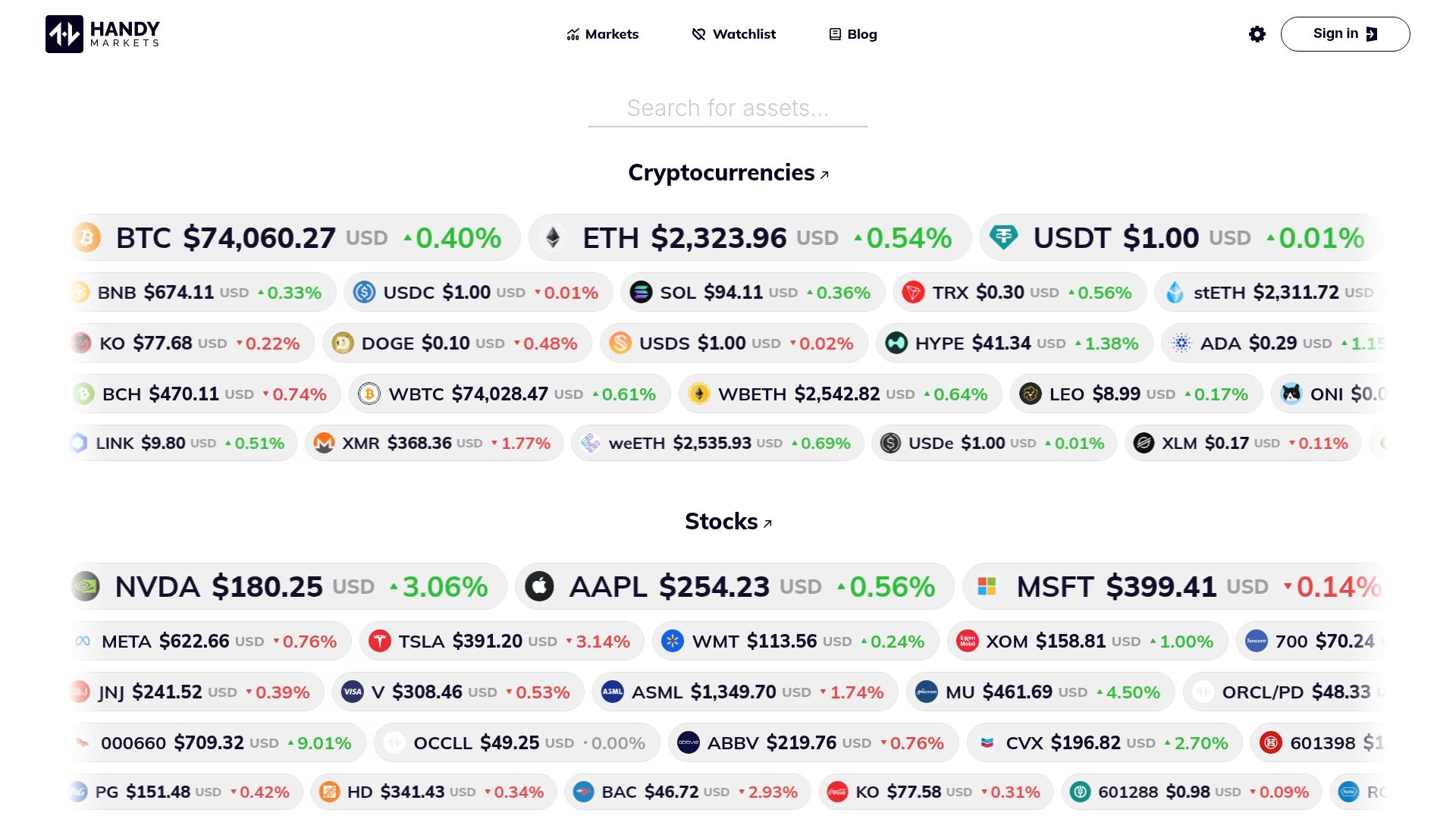
Handy Markets aggregates live market prices across ETFs, stocks, indices, and commodities in one place, so you can track your factor ETF holdings alongside your broad-market core without switching between platforms. You can also set price alerts on specific ETFs through Telegram, Discord, Slack, SMS, Webhook, or Email, getting notified when a position hits a target level. That alert system supports the kind of disciplined, non-reactive monitoring that factor investing demands. Stay informed, stay invested.
FAQ
What are the most common factor-based investing strategies?
The five most widely used factor strategies target value, momentum, quality, size, and low volatility. Each isolates a specific stock characteristic that has historically generated excess returns over long periods.
How many factors should a beginner investor use?
A beginner investor should start with one or two factors, ideally through a multi-factor ETF that blends exposures automatically. Adding complexity before understanding single-factor behavior increases the risk of premature strategy abandonment.
What is a factor winter and how long does it last?
A factor winter is an extended period when a specific factor underperforms the broad market. These cycles typically last 3 to 7 years and are the primary reason investors fail to capture long-term factor premiums.
Are factor ETFs expensive to hold?
Single-factor ETFs carry expense ratios between 0.04% and 0.50%. A blended five-factor ETF portfolio averages around 0.12% in combined fees, making ETF-based factor investing cost-effective for most investors.
Is factor investing better than passive index investing?
Factor investing targets higher long-term returns than passive indexing, but it requires a minimum 15-year horizon and tolerance for multi-year underperformance cycles. A core-satellite structure that combines both approaches captures the benefits of each without abandoning broad-market diversification.