
TL;DR:
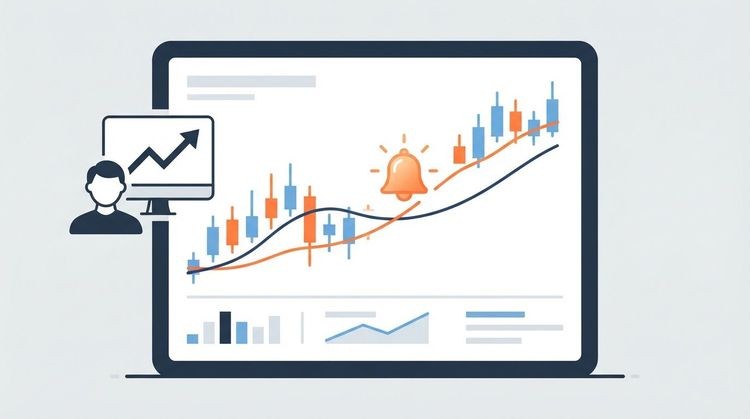
- Successful traders monitor various market move types like spikes, gaps, trends, and reversals to inform decisions.
- Combining tools like TradingView and Handy.Markets ensures real-time, multi-asset alerts across multiple channels.
- Regularly reviewing and verifying alert setups, plus monitoring macroeconomic indicators, enhances trading edge.
Markets never sleep, and neither do the opportunities buried inside them. Every minute, prices pulse across stocks, crypto, forex, commodities, and indices, and missing a key move can mean the difference between a winning trade and a missed chance you’ll replay in your head for weeks. For retail investors and active traders, staying informed is not just a nice habit; it is the foundation of every sound decision you make. This guide walks you through exactly what market moves are, which tools and strategies give you the clearest picture, and how to build a monitoring system that keeps you one step ahead.
Table of Contents
- Understanding market moves and their impact
- Essential tools for tracking real-time market changes
- Step-by-step process to set up alerts and market monitoring
- Verification and troubleshooting: making your system reliable
- What most traders overlook in staying updated
- Power up your market monitoring with Handy.Markets
- Frequently asked questions
Key Takeaways
| Point | Details |
|---|---|
| Multi-asset monitoring | Use platforms that cover stocks, forex, crypto, and futures for comprehensive market tracking. |
| Custom alert setup | Set up price alerts with customizable thresholds and delivery methods to stay ahead of major moves. |
| Reliable verification | Regularly test and refine your alert system to avoid missed opportunities due to technical errors. |
| Consider macro drivers | Integrate macroeconomic indicators and sector rotation strategies for deeper insight and better returns. |
Understanding market moves and their impact
Before you can track market moves effectively, you need to understand what you are actually looking for. A market move is any meaningful change in the price of an asset, a sector, or a broad index over a given period. But not all moves are created equal, and recognizing their types is what separates reactive trading from strategic trading.
Here are the most important types of market fluctuations you will encounter:
- Price spikes: Sharp, sudden moves in either direction, often triggered by earnings surprises, central bank announcements, or geopolitical events. A crypto asset jumping 15% in an hour is a classic spike.
- Gaps: When an asset opens significantly higher or lower than its previous close, leaving an empty space on a price chart. These often happen overnight and can signal powerful trend shifts.
- Trends: Sustained price movement in one direction over days, weeks, or months. Trends are the bread and butter of swing traders and position traders alike.
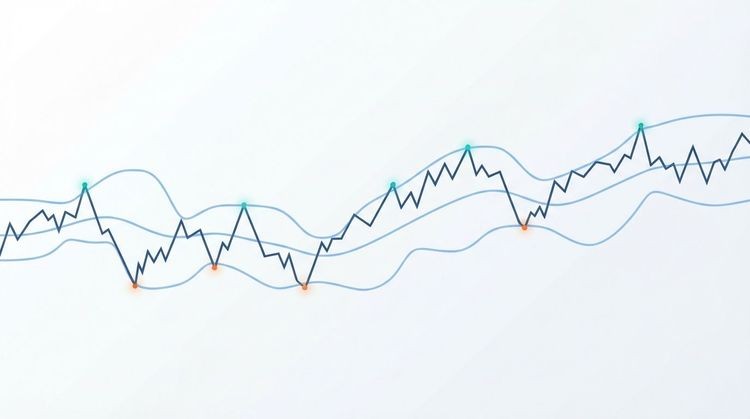
- Reversals: Points where a prevailing trend loses momentum and changes direction. Reversals can wipe out gains quickly if you are not watching closely.
Each of these move types affects your portfolio and strategy in different ways. A trend might confirm your thesis on a tech stock, while a sudden spike could stop out a forex position you have been building for weeks. Understanding market fluctuation analysis gives you the vocabulary and the framework to respond rather than just react.
Historical examples make this concrete. During major sector rotations, money flows from growth to value stocks, or from technology to energy, often driven by yield curve signals and macroeconomic data like PMI readings. Traders who monitor these drivers can position themselves ahead of the crowd. Research shows that sector rotation strategies using yield curve and PMI indicators can add 2 to 4% alpha to a portfolio annually. That is not trivial. Over a decade, that difference compounds into meaningfully better outcomes.
News-driven volatility is another major category. When the Federal Reserve announces an unexpected rate decision, or when a major tech company reports earnings after the bell, the resulting moves can be swift and dramatic. Traders who have studied historical reactions to these events, knowing, for example, that certain assets tend to gap up on dovish Fed language, hold a real edge.
“Markets are not random noise. They are the collective response of millions of participants to information. The trader who processes that information fastest and most accurately wins.”
The unpredictable nature of these fluctuations is precisely why having a structured approach to staying updated matters so much. You do not need to predict every move. You just need a reliable system for detecting them as they happen and responding with a clear plan.
Essential tools for tracking real-time market changes
To effectively monitor market moves as they happen, you will need the right tools. Choosing wisely here saves you from information overload while ensuring nothing critical slips past you.
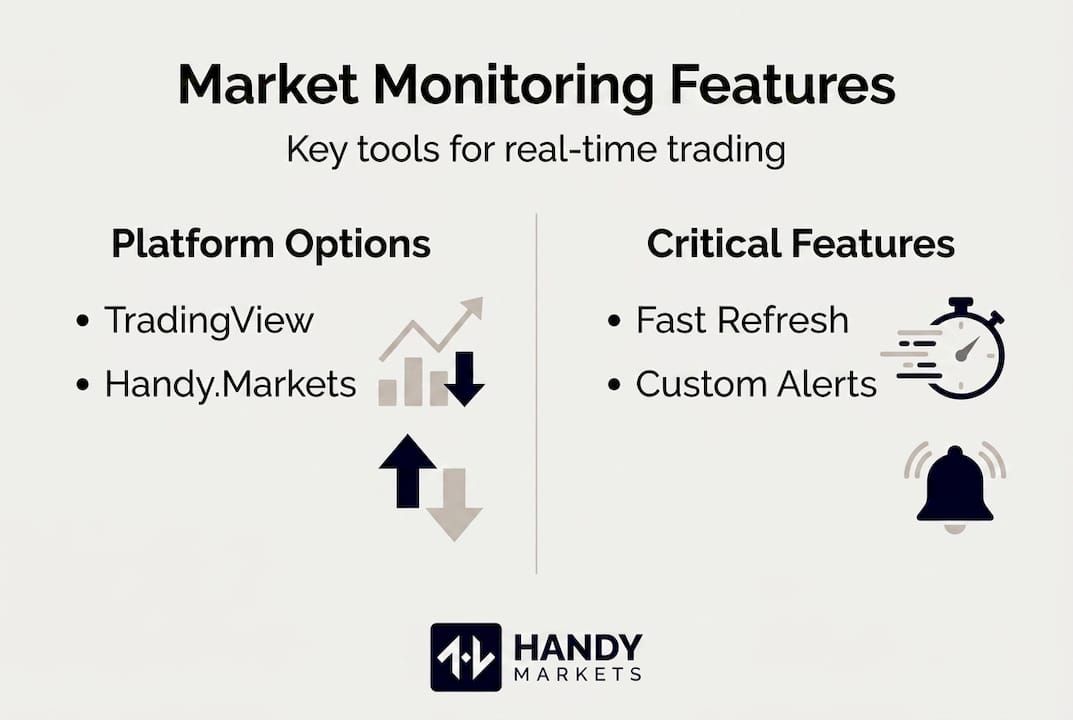
The two platforms most worth your attention are TradingView and Handy.Markets, each serving different but complementary roles.
TradingView provides real-time quotes, customizable alerts, watchlists, and charts across stocks, forex, crypto, futures, and more. Its chart analysis tools are among the best available to retail traders, and the alert system lets you set conditions based on price levels, indicator crossovers, or percentage moves. The platform supports multi-asset tracking in a single interface, which is a major time saver.
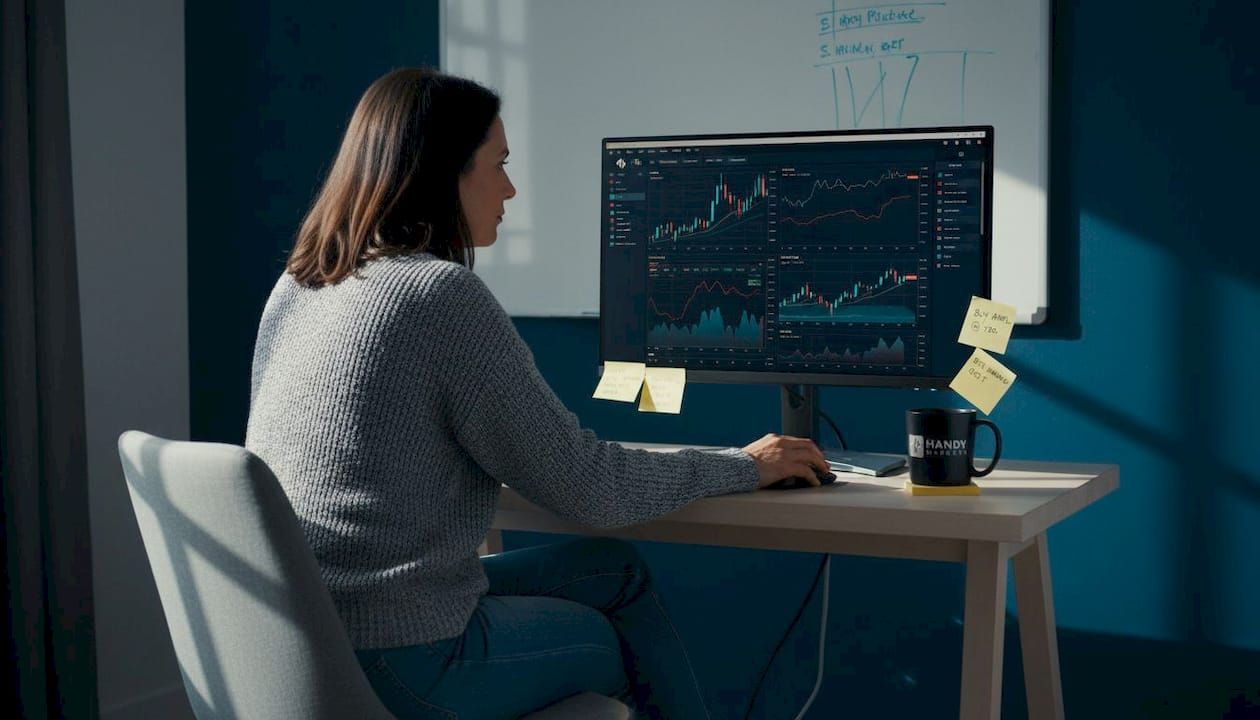
Handy.Markets fills a different need. It aggregates live prices and percentage changes across cryptocurrencies, stocks, commodities, indices, and foreign exchange in one clean dashboard. Its strength lies in the breadth of its alert delivery channels: Telegram, Discord, Slack, SMS, Webhook, and Email. For active traders who need notifications wherever they are working, this flexibility is hard to beat. You can explore real-time market price strategies to understand how to pair these tools effectively.
Here is a quick comparison of the two platforms:
| Feature | TradingView | Handy.Markets |
|---|---|---|
| Real-time price data | Yes | Yes |
| Multi-asset coverage | Stocks, forex, crypto, futures | Crypto, stocks, forex, commodities, indices |
| Alert channels | App, email, SMS | Telegram, Discord, Slack, SMS, Webhook, Email |
| Charting tools | Advanced | Basic |
| Watchlist customization | Yes | Yes |
| Setup complexity | Moderate | Simple |
| Best for | Chart-based traders | Multi-channel alert users |
When you are tracking multi-asset prices across several classes simultaneously, the combination of a chart-heavy tool like TradingView and a broad notification platform like Handy.Markets creates a monitoring setup that covers both depth and breadth.
Pro Tip: Do not rely on a single platform for all your alerts. Set up your primary alerts on TradingView for technical levels, and use Handy.Markets to push broad market movement notifications to your Telegram or Slack. Redundancy in your alert system means you are far less likely to miss a move that matters.
The key features to prioritize when evaluating any market monitoring tool are speed of data refresh, the ability to customize alert thresholds by asset class, cross-asset coverage in a single view, and reliable delivery across multiple notification channels. Learning more about setting up market alerts will help you get the most out of whichever platform you choose.
Step-by-step process to set up alerts and market monitoring
Once you have chosen your tools, follow these steps to ensure you are alerted to every important move across your assets.
- Define your priority assets. Start by listing the assets you actively trade or hold. Group them by class: equities, crypto, forex pairs, commodities. This prevents alert fatigue later by keeping your watchlist focused and meaningful.
- Set threshold-based price alerts. For each priority asset, determine the price level or percentage move that would require your attention. A 3% move in Bitcoin may matter to a swing trader, while a 0.5% move in a major forex pair might be significant for a scalper. On TradingView, navigate to the alert creation panel and input your chosen price or indicator condition.
- Add technical indicator alerts. Beyond price levels, set alerts for key technical events like a moving average crossover, an RSI reaching overbought or oversold territory, or a MACD signal change. These alerts tell you when the structure of a move is shifting, not just when a price level is hit.
- Configure your notification channels. On Handy.Markets, connect your preferred channels during the alert setup process. Link your Telegram account for instant mobile pushes, add your work email for logged records, and connect your Slack workspace if you monitor markets during the workday. This market monitoring setup guide covers the full configuration process step by step.
- Organize your watchlists by strategy. Rather than one giant watchlist, create separate lists: one for core long-term holdings, one for active swing trades, and one for assets on your radar but not yet in your portfolio. Most platforms allow multiple watchlists, and keeping them separated reduces noise.
- Set a daily review schedule. Alerts catch the sharp moves, but a brief daily review of your watchlists at market open and close helps you spot slower trends and sector shifts that do not trigger individual alerts.
- Test every alert before you rely on it. Set a test alert at a price level that will be triggered quickly, confirm the notification arrives on all your configured channels, and then delete or replace the test alert. Do this for every new channel you add.
Pro Tip: Integrate both push notifications and email alerts for your most important positions. Push notifications catch you in real time, but email creates a timestamped log you can review later to understand how your alerts performed during volatile sessions.
Verification and troubleshooting: making your system reliable
Having set up your monitoring system, it is crucial to verify its reliability and know how to fix issues before they cost you trades.
Here is a checklist for verifying your alert delivery across all channels:
- Send a test alert on each notification channel and confirm delivery within 60 seconds
- Check that alert messages include the asset name, the trigger condition, and the triggered price
- Verify that email alerts are not landing in spam folders
- Confirm Telegram or Slack bots have the correct permissions in your channels
- Review alert expiration settings; some platforms expire alerts after a set period
The speed of your notification channel matters enormously when markets are moving fast. Here is how common channels compare:
| Channel | Typical delay | Reliability | Best use case |
|---|---|---|---|
| Push notification (app) | Under 5 seconds | High | Immediate price alerts |
| Telegram | Under 10 seconds | Very high | Fast cross-device delivery |
| SMS | 5 to 30 seconds | Moderate | Backup for critical alerts |
| 30 seconds to 2 minutes | High | Logged records, secondary alerts | |
| Slack | Under 10 seconds | Very high | Team or shared monitoring |
| Webhook | Near-instant | Very high | Automated trading systems |
Missed alerts are the most frustrating and costly failure in any monitoring setup. Common causes include expired alert conditions, bots that lose authorization, notification settings blocked at the device level, or platform outages. The real-time data guide covers how to cross-check data sources when you suspect a gap in your coverage.
Common mistakes that undermine alert effectiveness, along with their solutions:
- Setting thresholds too tight: Alerts fire constantly and you start ignoring them. Fix this by widening thresholds to meaningful levels, not every 0.1% move.
- Using only one notification channel: If that channel fails or your device is off, you miss the alert. Always use at least two channels.
- Never reviewing historical alerts: Your alert log tells you which conditions actually fired and when. Reviewing it weekly helps you refine your thresholds and improve your strategy.
- Ignoring platform maintenance windows: Most platforms have scheduled downtime. Know when it occurs and plan accordingly, especially around major economic events.
Staying disciplined about verification is what separates a trading setup that works from one that looks good on paper. You can also deepen your edge by mastering market trends and understanding how trend signals integrate with your alert system for better timing.
What most traders overlook in staying updated
Most retail traders set up price alerts and call it done. That is understandable, but it leaves a significant edge on the table. The traders who consistently outperform are not just tracking price levels; they are monitoring the underlying forces that drive those prices.
Macroeconomic indicators like the yield curve, PMI readings, CPI releases, and unemployment data are the early warning system for sector rotation and broad market shifts. When the yield curve inverts, historically it signals slowing growth, and money flows accordingly from cyclical to defensive sectors. Monitoring these releases and understanding their historical market reactions gives you context that pure price alerts cannot provide. Aligning your alert setup with your investment strategies for 2026 means you are working with both technical and fundamental signals.
Add these to your monitoring routine to go beyond the basics:
- Track weekly PMI and ISM releases alongside your watchlist
- Set calendar alerts for Fed meeting dates and major earnings seasons
- Review sector performance weekly to spot rotation patterns early
- Study historical price reactions to recurring events, like how gold typically responds to CPI surprises
Sector rotation using yield curve/PMI data can add 2 to 4% alpha annually. That is the kind of return boost that comes not from more alerts, but from smarter context around the alerts you already have.
The most informed trader in the room is not the one with the most alerts. It is the one who understands why the alert fired.
Power up your market monitoring with Handy.Markets
Now that you know how to stay updated, make the process seamless with tools designed specifically for active traders who need reliable, multi-asset coverage without the complexity.
Handy.Markets brings real-time prices and percentage changes for crypto, stocks, forex, commodities, and indices into one clean platform. Setting up alerts takes minutes, and you can push notifications to Telegram, Slack, Discord, SMS, Webhook, or email, so you are covered wherever your trading takes you. Whether you are building your first watchlist or refining a sophisticated multi-asset market alerts system, the platform makes it easy to personalize exactly what you track. Start building your monitoring setup today and explore free price alert setup to see how quickly you can get your first alerts running across your chosen channels.
FAQ
What is the most reliable way to receive real-time alerts for multiple assets?
TradingView offers customizable alerts and watchlists for stocks, forex, crypto, and futures, making it highly reliable for multi-asset tracking, especially when paired with a secondary notification channel for redundancy.
How often should I review and update my alert settings?
Review your alert settings at least once a week, particularly when you trade volatile assets or shift your strategy, since thresholds that made sense last week may no longer reflect current market conditions.
Does monitoring macroeconomic indicators help anticipate market moves?
Yes, strategies like sector rotation using yield curve and PMI data can add 2 to 4% alpha annually according to quantitative research, making macro monitoring a meaningful complement to price-based alerts.
What are some common mistakes in alert setups?
Thresholds set too tight, relying on a single notification channel, and never reviewing your alert history are the most frequent problems, all of which are easily fixed with a weekly system review and a backup channel in place.
Can I use Handy.Markets for tracking market moves in different asset classes?
Handy.Markets offers real-time multi-asset monitoring and customizable alerts for crypto, stocks, forex, commodities, and more, all deliverable across multiple channels including Telegram, Slack, and email.